Unique Elements in Loyalty Schemes for Backgammon Aficionados and Exchange Bettors
Jordan Schmid · Nov 12, 2026
Unique Elements in Loyalty Schemes for Backgammon Aficionados and Exchange Bettors
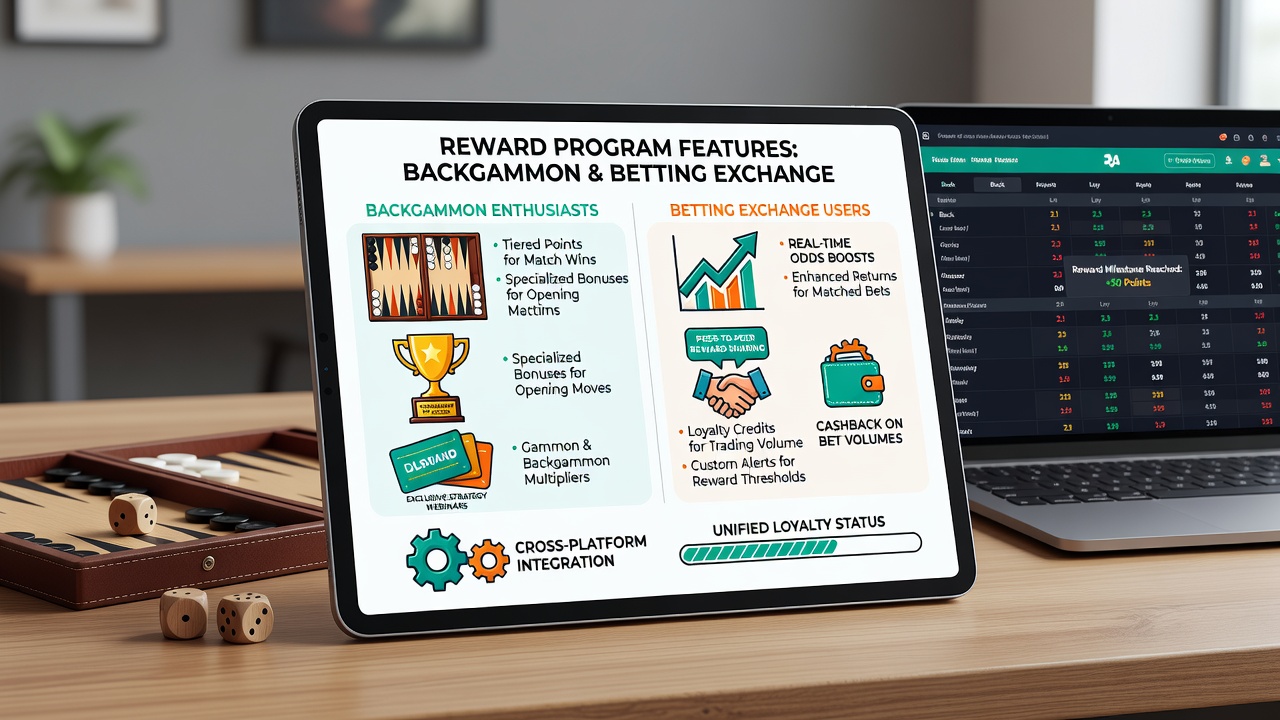
Backgammon enthusiasts often encounter reward programs built around skill progression and tournament participation, while betting exchange users receive incentives tied to trading volume and market liquidity, and these distinctions shape how participants engage with each platform type throughout 2026.
Core Mechanics in Backgammon Reward Structures
Programs aimed at backgammon players typically award points based on matches completed rather than amounts wagered, which creates a framework where consistent play and strategic improvement lead to tier advancement, and observers note that many such systems include leaderboards updated daily to reflect win rates alongside total games played. Data from industry reports shows these structures frequently incorporate entry credits for private tournaments, allowing users to compete without additional deposits once certain thresholds are met, and this approach aligns with the skill-based nature of the game where outcomes depend on decisions more than chance.
Seasonal challenges appear regularly in November, and in November 2026 several platforms introduced double-point events during international backgammon festivals to coincide with peak participation periods, while users accumulate loyalty coins that convert into coaching sessions or custom board designs instead of cash equivalents. Research from academic studies on player retention indicates that skill-focused rewards correlate with longer session durations because participants track personal statistics and aim for measurable improvements over time.
Distinct Incentives on Betting Exchanges
Betting exchange platforms structure rewards around matched betting volume and commission reductions, which means active traders earn rebates proportional to the liquidity they provide across multiple markets rather than individual wins or losses, and this model encourages users to place both back and lay orders to maintain steady activity levels. Figures from regulatory filings reveal that exchange-specific programs often feature volume-based cashback tiers that reset monthly, with higher levels unlocking reduced commission rates on future trades and access to exclusive data analytics tools for market analysis.
Those who study exchange dynamics point out that loyalty credits sometimes convert into risk-management resources such as free bet insurance or enhanced odds on popular events, and these elements differ markedly from backgammon offerings because they respond directly to market participation rather than game outcomes. In November 2026 exchanges rolled out integrated reward dashboards that display real-time commission savings alongside trading history, helping users optimize their strategies without external software.

Comparative Differences Across Both Categories
Backgammon programs emphasize progression through skill milestones and community events, whereas exchange rewards prioritize sustained trading activity and market depth, and this divergence means participants in each category experience different paths to unlocking benefits even when the underlying platforms overlap in user base. Studies conducted by research institutions demonstrate that backgammon users respond more favorably to recognition systems such as achievement badges and head-to-head challenges, while exchange participants value tools that reduce operational costs during high-volume periods.
Crossovers occur when hybrid sites combine elements from both, yet the core calculation methods remain separate because backgammon scoring relies on match results and exchange calculations depend on stake sizes and matching frequency, and analysts at the European Gaming and Betting Association have documented these variations in annual industry summaries. Users moving between the two formats often adjust their expectations accordingly since the reward triggers operate under fundamentally different rulesets.
Regulatory Context and Platform Adaptations
Authorities in regions such as Ontario and Australia maintain oversight on how reward programs disclose terms, which affects both backgammon and exchange offerings by requiring clear communication of eligibility criteria and expiration policies, and this framework ensures participants receive accurate information about point values and redemption options. Platforms adapt by integrating compliance features directly into reward interfaces, allowing users to review accumulated benefits alongside any applicable restrictions in one location.
November 2026 saw several exchanges and backgammon communities align their promotions with updated transparency standards, and data indicates that such synchronization helps maintain user trust across different regulatory environments without altering the fundamental reward mechanics.
Conclusion
Reward programs for backgammon enthusiasts center on skill development and tournament access, while those for betting exchange users focus on volume-driven rebates and liquidity contributions, and these tailored approaches continue to evolve alongside platform capabilities and seasonal events into late 2026. Participants benefit from understanding the specific triggers and redemption pathways unique to each category when selecting where to engage.